
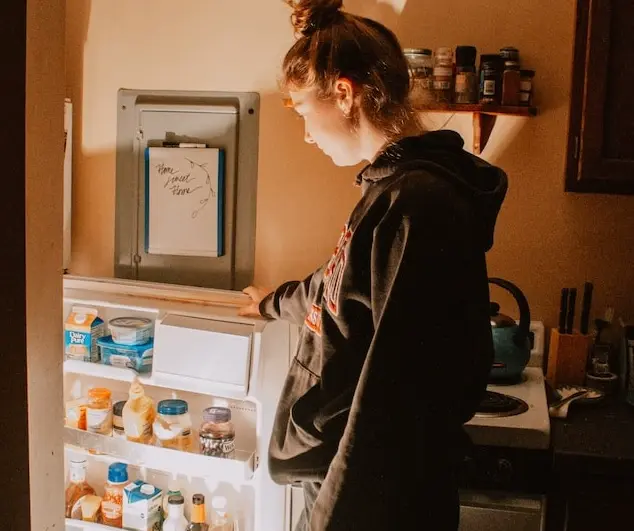
Anxiety about eating or eating due to anxiety: Causes and how to overcome it


On the path to a healthy life, with physical activity and a supportive diet as fundamental pillars, many people encounter an unexpected obstacle: anxiety eating or eating due to anxiety.
It’s not uncommon to hear, in consultations or among friends, phrases like “I ate uncontrollably because of anxiety” or “when I’m stressed, I binge". But what drives us to seek refuge in food during intense emotional states? Why, even without hunger, do we fall into the temptation of unhealthy foods?
If you struggle with this impulsive need to eat, this article will help you understand its causes and how to overcome it.
What is anxiety eating?
Anxiety eating is a complex phenomenon in which a person eats impulsively, not out of real hunger, but as a response to negative emotions or internal tension.
Unlike real hunger, which responds to a physical need, this form of «hunger» is more related to specific cravings. Frequently, the choice falls on foods that work against you, such as simple sugars, ultra-processed foods, or those rich in empty calories.
While the feeling of satiety is achieved through proper nutrition, anxiety eating drives people to consume beyond that point of satiety, seeking relief or distraction in food.
Anxiety eating: a vicious cycle
This eating behavior often becomes a vicious cycle: negative emotions lead to the consumption of unhealthy foods, and the subsequent remorse intensifies those same emotions, restarting the cycle.
This compulsion to consume large amounts of food, often without real hunger, can lead to health problems such as overweight, diabetes, cardiovascular diseases, among others. It is important to understand that, although food may offer momentary relief, the proper way to address this problem is by understanding its root.
Causes of anxiety eating
There are several causes and factors that may contribute to this behavior in which we eat out of anxiety. Some of them are:
1. Negative emotions
Research suggests that people who have not developed effective skills to manage stress or emotional conflict may turn to food as a way to cope with these feelings.
The study titled «Stress and Eating Behaviors» suggests that under stress, both humans and animals tend to choose more pleasurable foods, and that these foods—especially those high in fats and sugars—can have addictive qualities similar to drugs.
In addition, it is known that foods rich in fats and sugars can trigger the release of dopamine in the brain, a neurotransmitter associated with pleasure and reward. This can provide temporary relief from these emotions, creating a cycle in which food is used as a form of self-comfort.
2. Learned eating habits
We live in a society that, from childhood, teaches us to associate food with celebration, socialization, or reward.
These early associations can establish patterns that lead us to turn to food during emotional moments in adulthood—whether it’s to celebrate a promotion or an anniversary, console ourselves after a breakup, or reward ourselves after a long workday.
3. Overly restrictive diets without guidance
Very restrictive diets can generate an intense desire to consume the «forbidden» foods.
Constant restriction and excessive self-control can lead to a rebound effect, in which a person feels an overwhelming need to eat large amounts of the foods they have been avoiding.
This is why it is ideal that such diets are always carried out with the guidance of a specialist. A nutritionist-dietitian can provide alternatives to the foods you should avoid, along with the tools needed to give you the best experience on your journey toward a diet that truly supports you.
4. Hormonal, genetic, and biological factors
Some research suggests that there may be a genetic or biological predisposition to emotional eating. On the other hand, hormonal fluctuations can alter appetite and generate specific cravings.
During certain phases, such as the menstrual cycle, pregnancy, or menopause, hormonal changes can influence the desire for certain foods, which may lead to episodes of impulsive eating.
5. Enemy diet for your microbiome
An inflammatory diet can affect the balance of the gut microbiome and negatively impact your mental health.
Your microbiota feeds on what you eat. If your diet is rich in grains, flours, and dairy, your intestine becomes inflamed and permeable; these foods are difficult to digest, and their poorly digested fragments—along with sugar—will feed your harmful microbiota, mainly candida (Doureradjou Peroumal, 2022), which will demand more sugar to survive and reproduce. A vicious cycle that also affects your mental health!
6. Micronutrient and mineral deficiencies
The lack of certain nutrients can influence hunger and cravings. When you have a leaky gut, caused by an inflammatory and harmful diet, it becomes more difficult for you to absorb specific micronutrients such as:
- B-complex vitamins
- Magnesium
- Vitamin D
These micronutrients play a key role in serotonin production, known as the «happiness hormone», which regulates appetite. In addition, a deficiency of a vital mineral like chromium can affect the proper functioning of insulin, which is responsible for delivering energy to our cells.
7. Energy deficit
If you go long periods without eating—whether due to distractions, being busy, or practicing intermittent fasting—and you don’t adequately replenish essential energy and nutrients during eating periods, your body will demand quick sources of energy.
This need often manifests as cravings for simple carbohydrates. It is advisable to review and adjust your eating plan with a NutriWhite Ambassador to avoid this imbalance.
How to control anxiety eating?
Controlling anxiety eating is essential to prevent long-term health problems and to enjoy greater well-being. Below, we present 9 recommendations to stop eating out of anxiety:
1. Do meal-prep
Preparing your meals in advance, known as «meal-prep», allows you to have control over the ingredients and portions you consume. This ensures that you eat healthy, supportive foods and avoid the temptation of choosing less healthy options when you’re hungry.
You can choose one or two days a week to:
- Cook your proteins
- Chop vegetables that you tolerate and store them in your fridge or freezer
- Select healthy snacks (such as fruits or nuts) according to your food sensitivities
2. Organize your meals throughout the day with a schedule
By following a schedule, your body gets used to receiving food at specific times. This way, you will mentally know when your next meal is and will be able to wait patiently, which can help improve your eating behavior.
3. Learn to distinguish real hunger from emotional hunger
To determine whether you’re experiencing real hunger or emotional hunger, reflect on what you feel before eating: Are you responding to a physical need, or are you trying to soothe an emotion? Do you truly feel the hunger in your stomach?
If you determine that the hunger is emotional, wait and find an activity to distract yourself! The craving will disappear in a couple of minutes.
4. Practice relaxation and mindfulness techniques
Techniques such as meditation, yoga, or deep breathing can help you:
- Be more present in the moment
- Reduce anxiety and stress
- Improve your mood
- Recognize and manage your emotions without resorting to food
5. Avoid distractions while eating
Eat in a quiet place, without distractions like television or your phone. This allows you to be more aware of what you eat and to enjoy your food more.
In this way, you can more easily recognize your body’s signals of fullness and avoid overeating.
6. Exercise regularly
Find an activity you enjoy—walking, running, swimming, or dancing. Exercise is not only beneficial for maintaining a healthy weight but can also be a powerful tool for managing stress and anxiety.
When you exercise, your body releases endorphins, which are neurotransmitters that act as natural painkillers and improve your mood.
7. Get enough rest
Sleeping enough is essential for physical and mental recovery. Lack of sleep can increase anxiety, while proper rest improves mood, reduces stress, and helps you make healthier food choices.
In addition, when you don’t get enough rest, your body may demand more energy through food.
8. Improve your relationship with yourself
Learn to accept and love yourself as you are. Self-criticism can increase feelings of anxiety and the tendency to eat for emotional reasons.
A positive self-image helps you better face any adverse situation and reduces the need to seek comfort in food.
9. Seek professional help
If you feel that you cannot control your anxiety eating on your own, don’t hesitate to seek help from professionals such as:
- A therapist who can offer you tools and strategies to manage your emotional needs appropriately.
- A nutritionist who can help you establish a personalized eating plan and change problematic eating patterns.
If you want to improve your lifestyle, put an end to emotional eating, control your anxiety levels or specific cravings, and also reduce inflammation in your body to manage your weight, we invite you to personalize your 3R Immunonutrition Protocol. Schedule a consultation plan with our NutriWhite Ambassadors.
REFERENCES:
- Peroumal D, Sahu SR, Kumari P, Utkalaja BG, Acharya N. Commensal Fungus Candida albicans Maintains a Long-Term Mutualistic Relationship with the Host To Modulate Gut Microbiota and Metabolism. Microbiol Spectr. 2022 Oct 26;10(5):e0246222. doi: 10.1128/spectrum.02462-22. Epub 2022 Sep 22. PMID: 36135388; PMCID: PMC9603587.
- Dr Paul Thomas. 2018. The Addiction Summit interviews [en línea]. Disponible en https://theaddictionsummit.com [Agosto 2018]
- Trudy Scott (2019). Anxiety Summit, 5th season. Host Trudy Scott. Disponible: Park Bum et al (2010). The physiological effects of Shinrin-yoku (taking in the forest atmosphere or forest bathing): evidence from field experiments in 24 forests across Japan. Envir, Health Prev Med. Disponible en línea: https://www.ncbi.nlm.nih.gov/pmc/articles/PMC2793346/
NutriWhite Editorial Team


